Dystopia
2019-Present
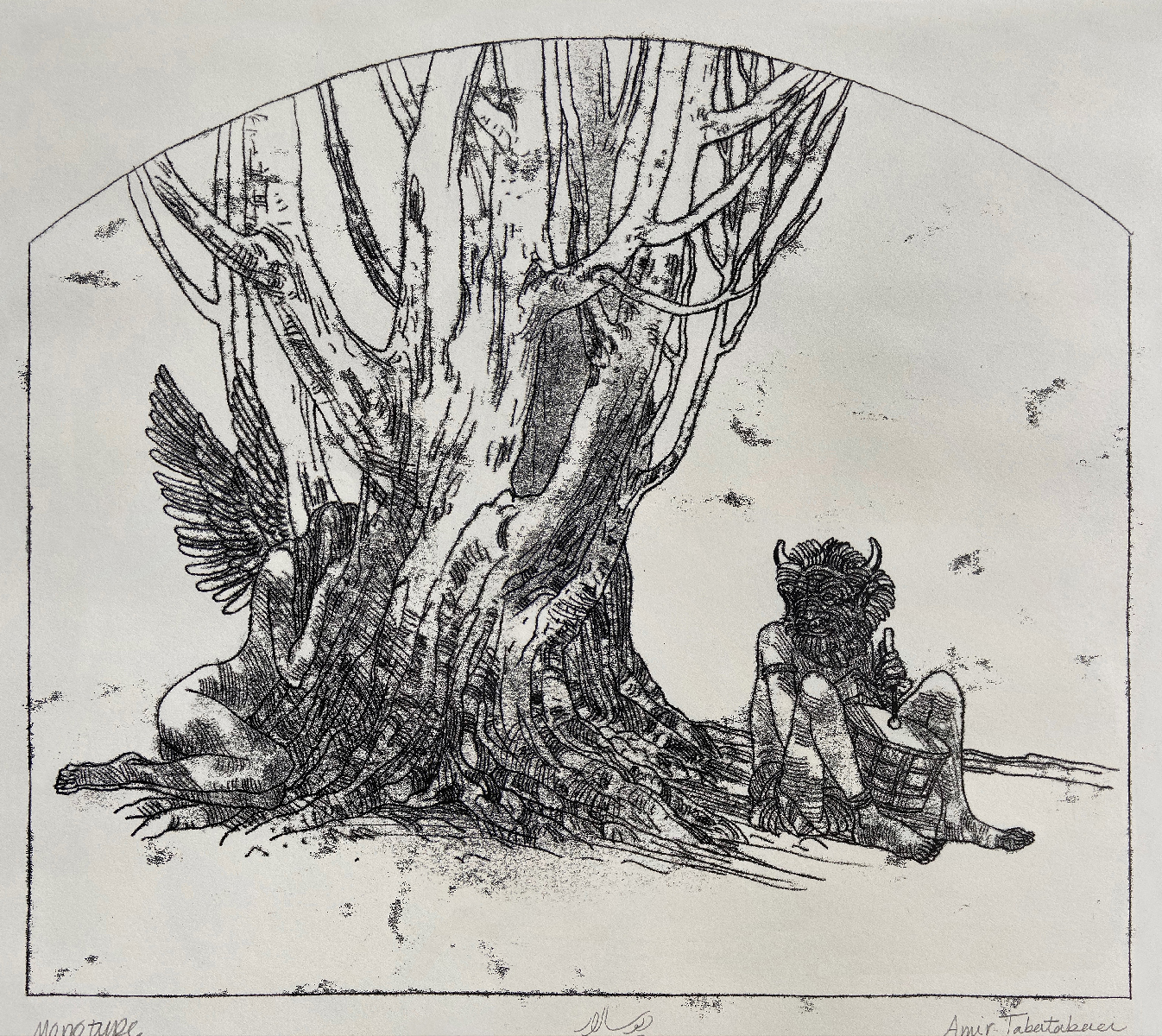
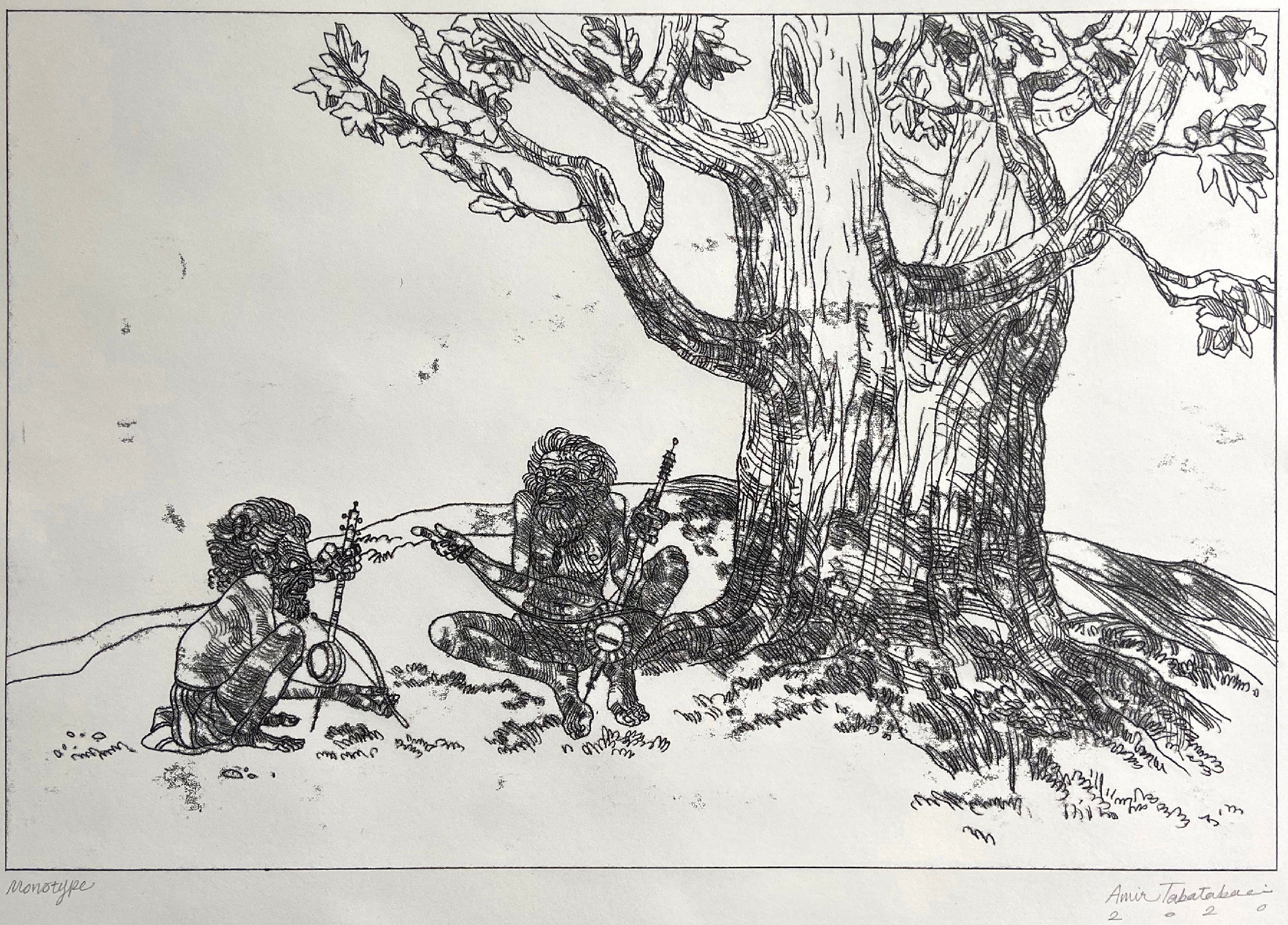
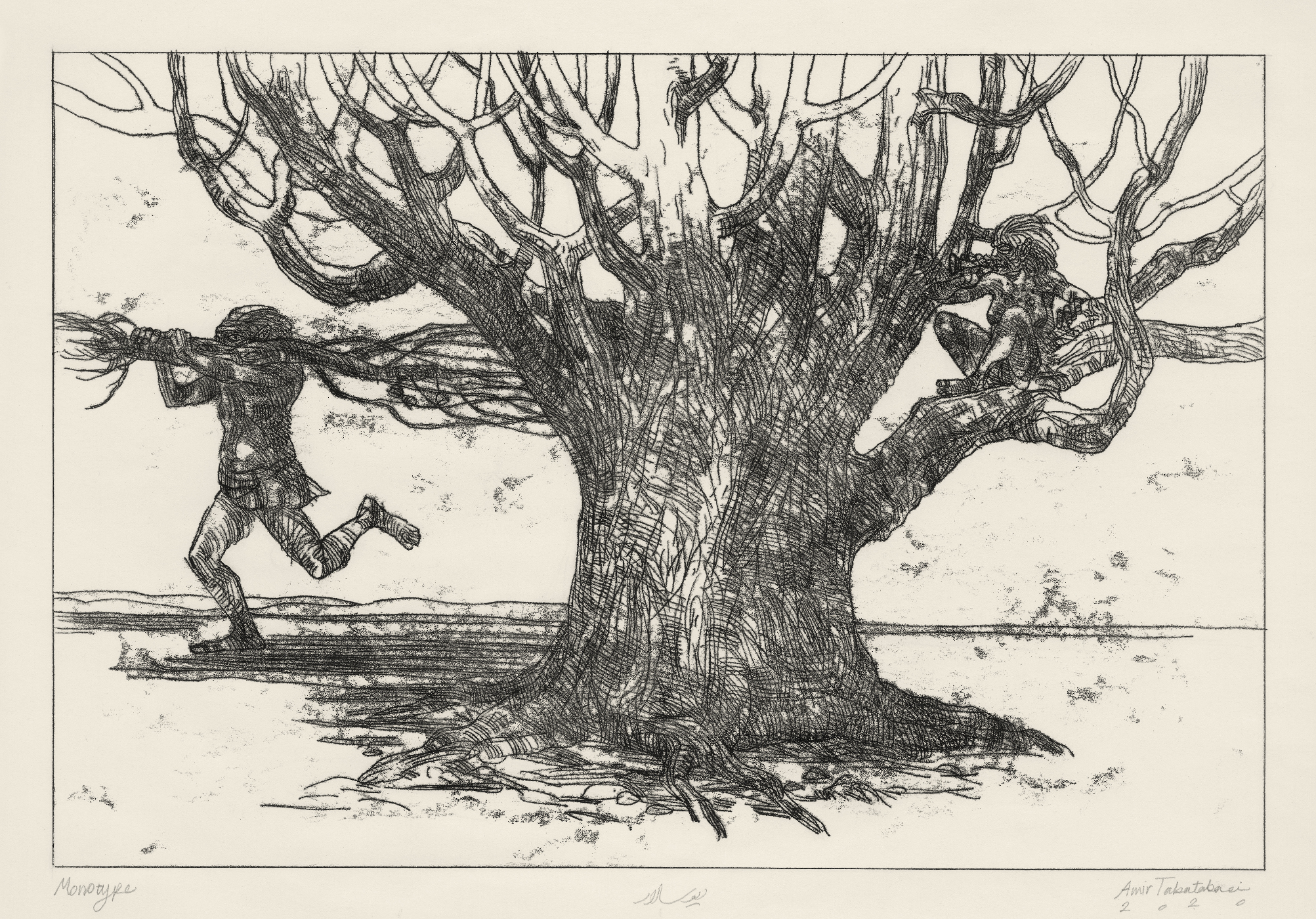
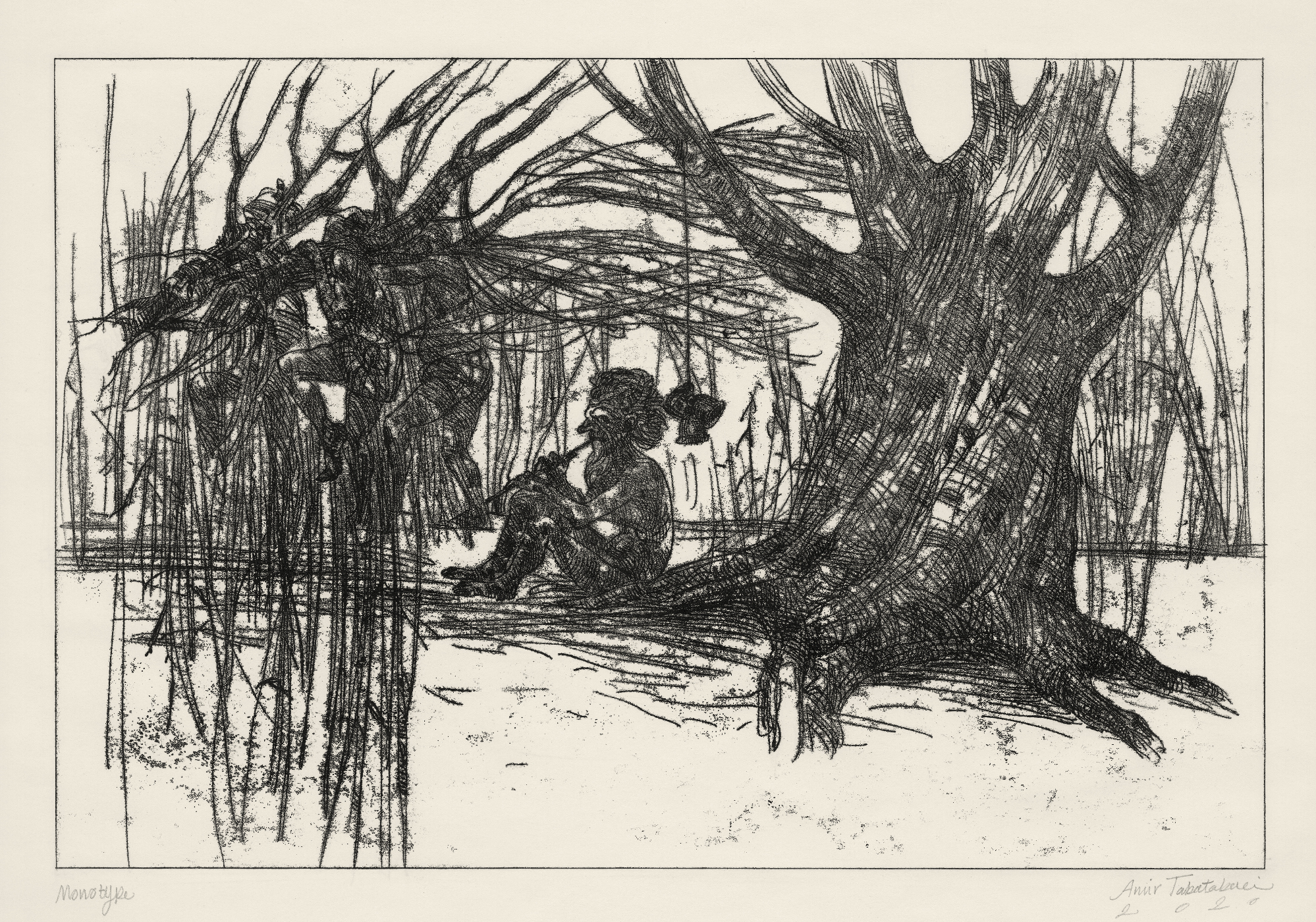
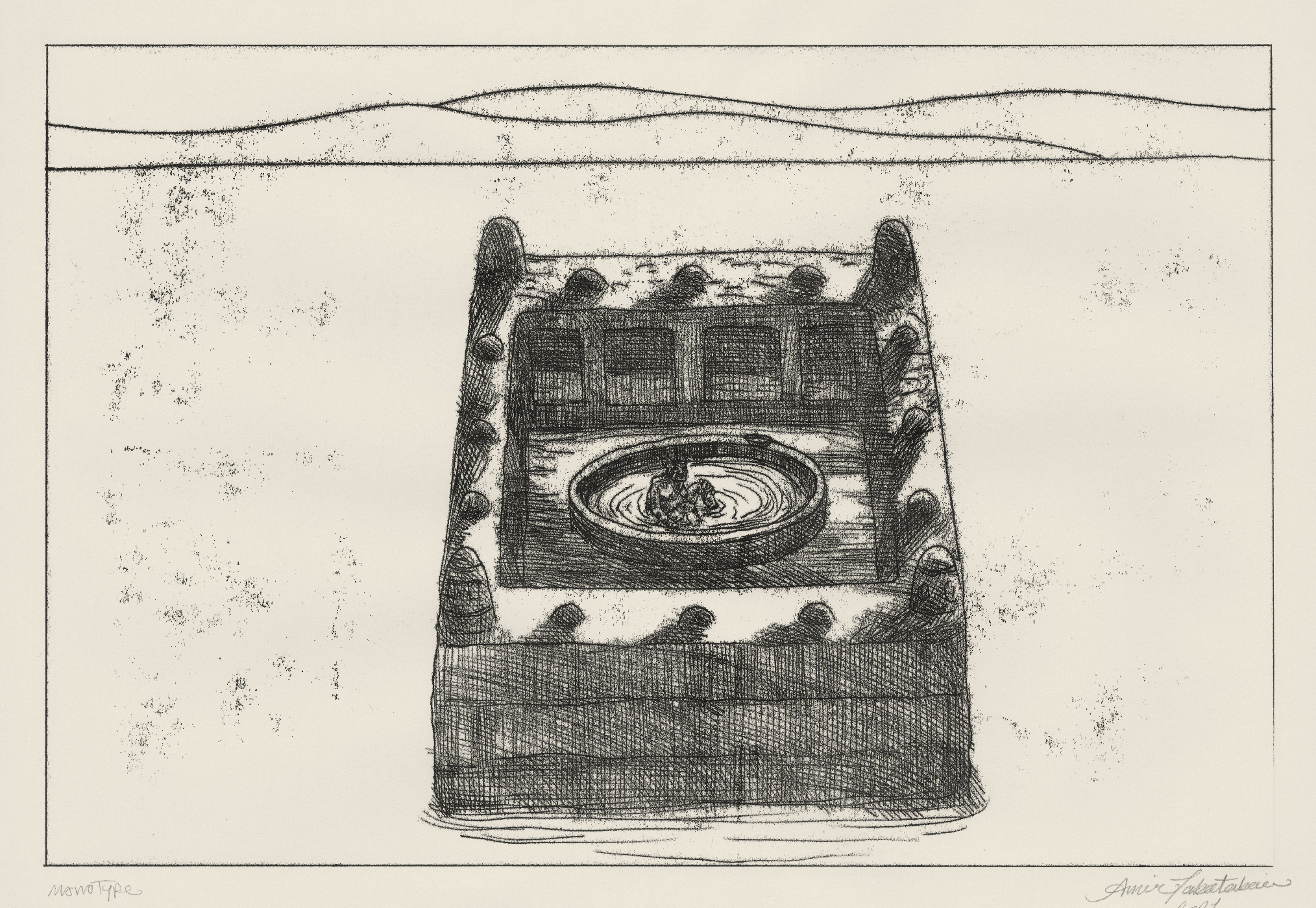
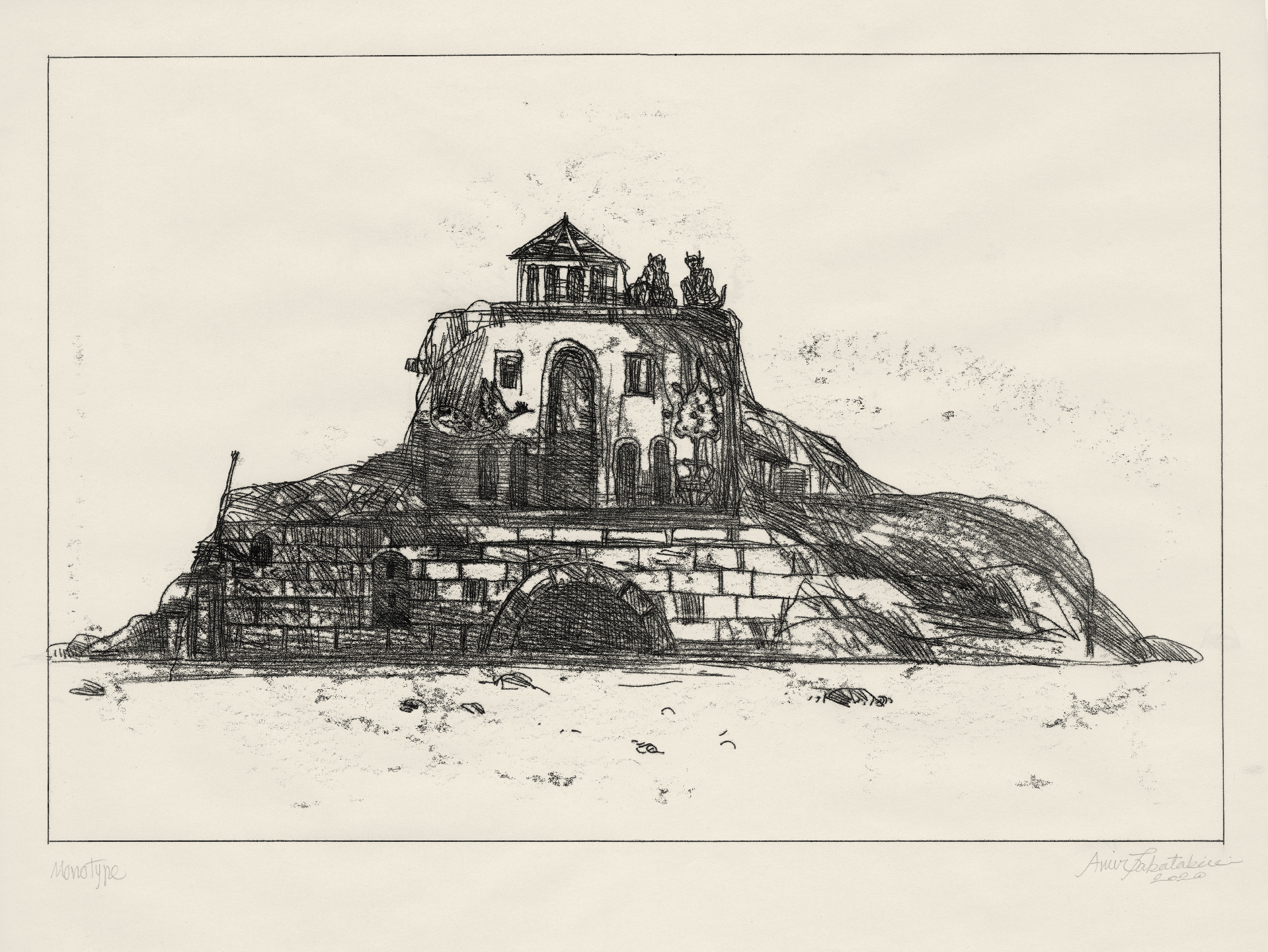
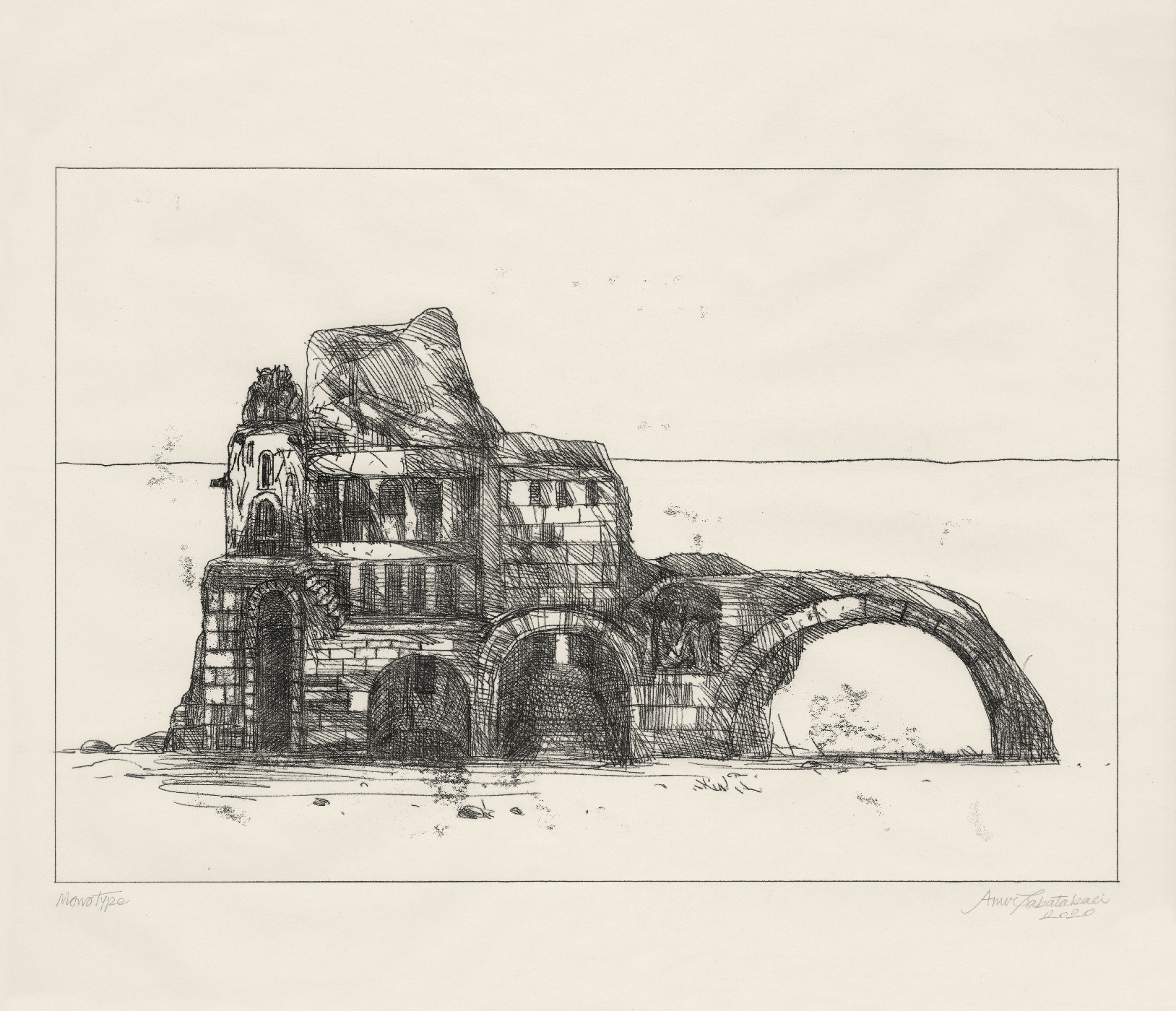
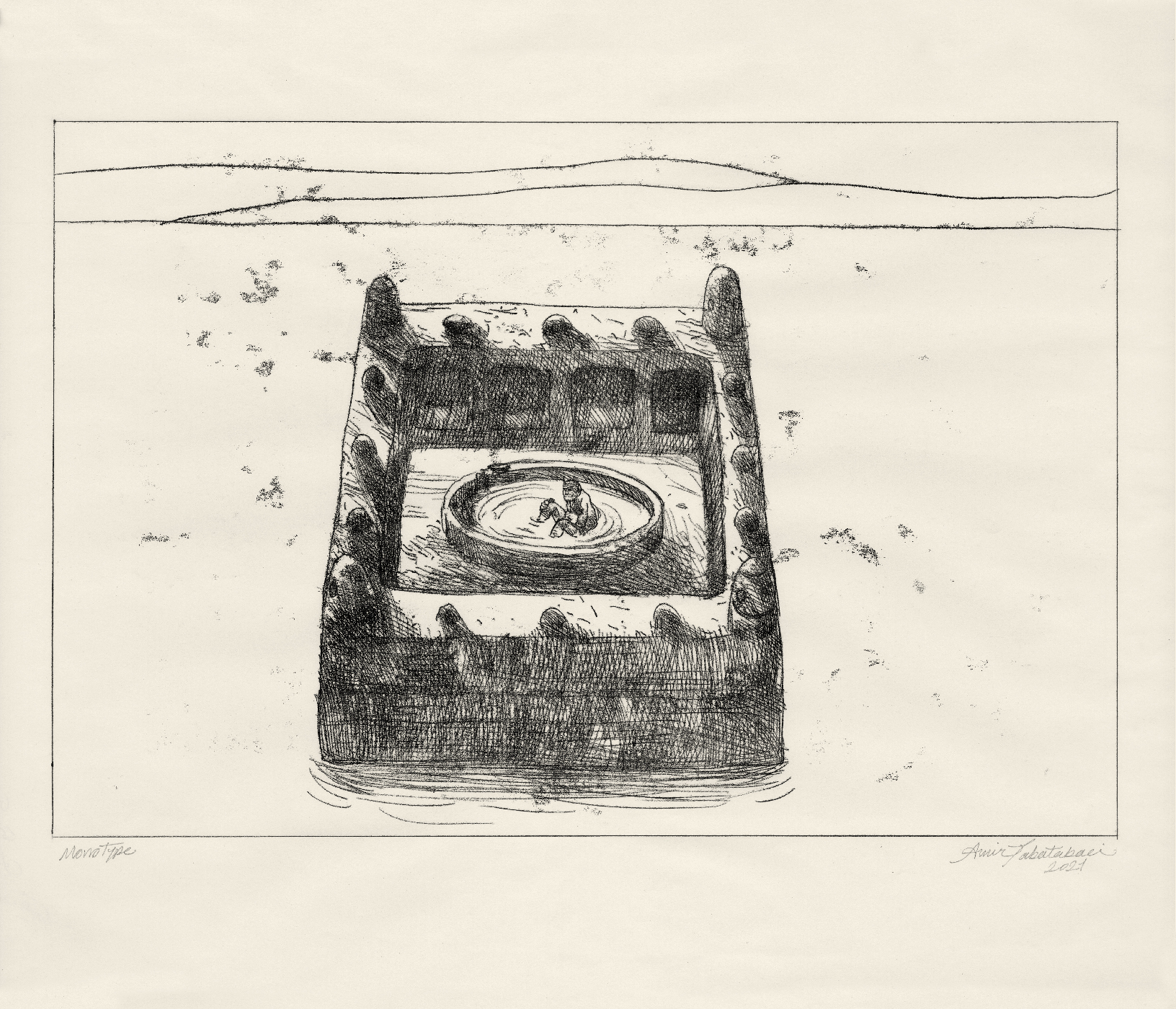
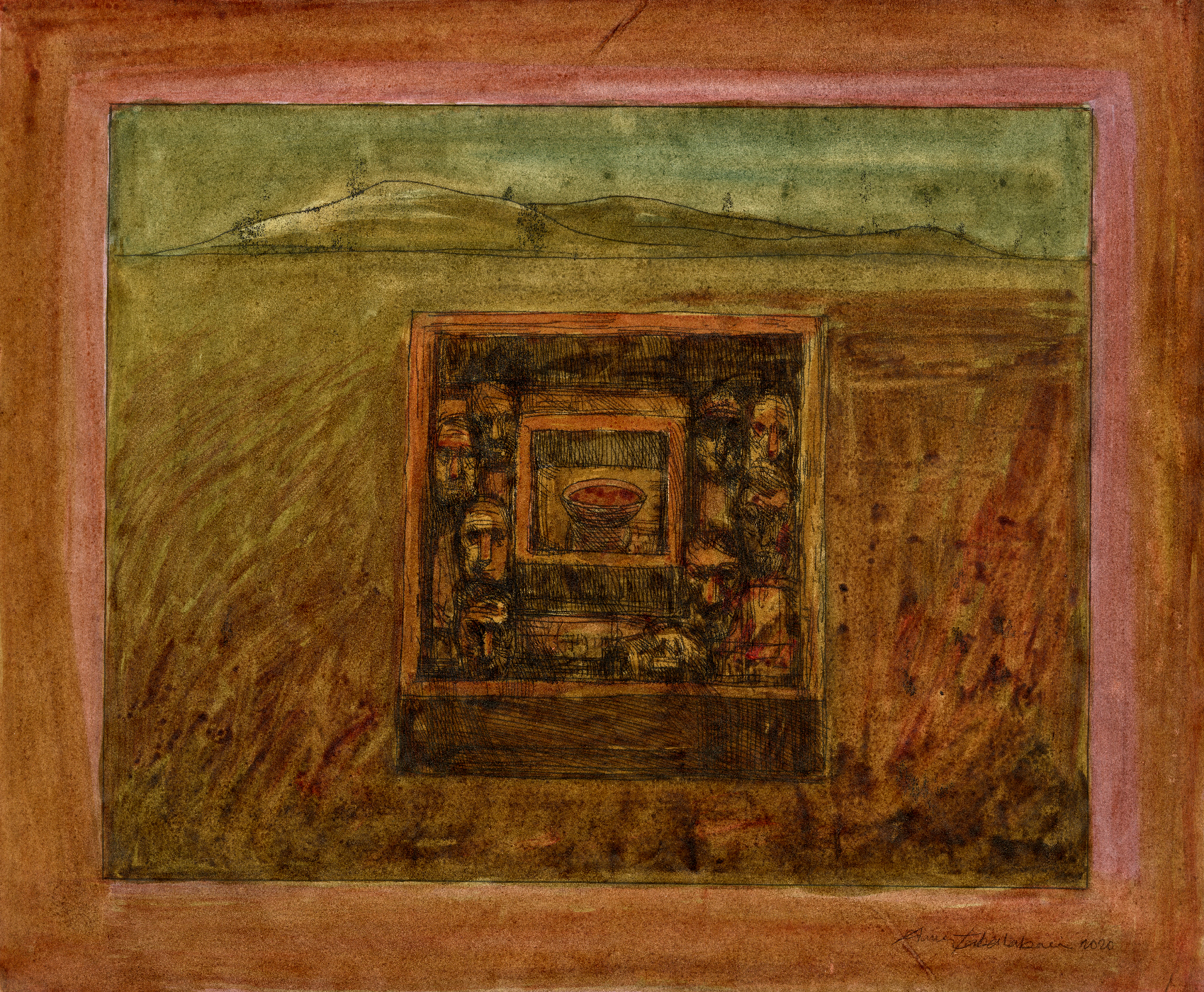
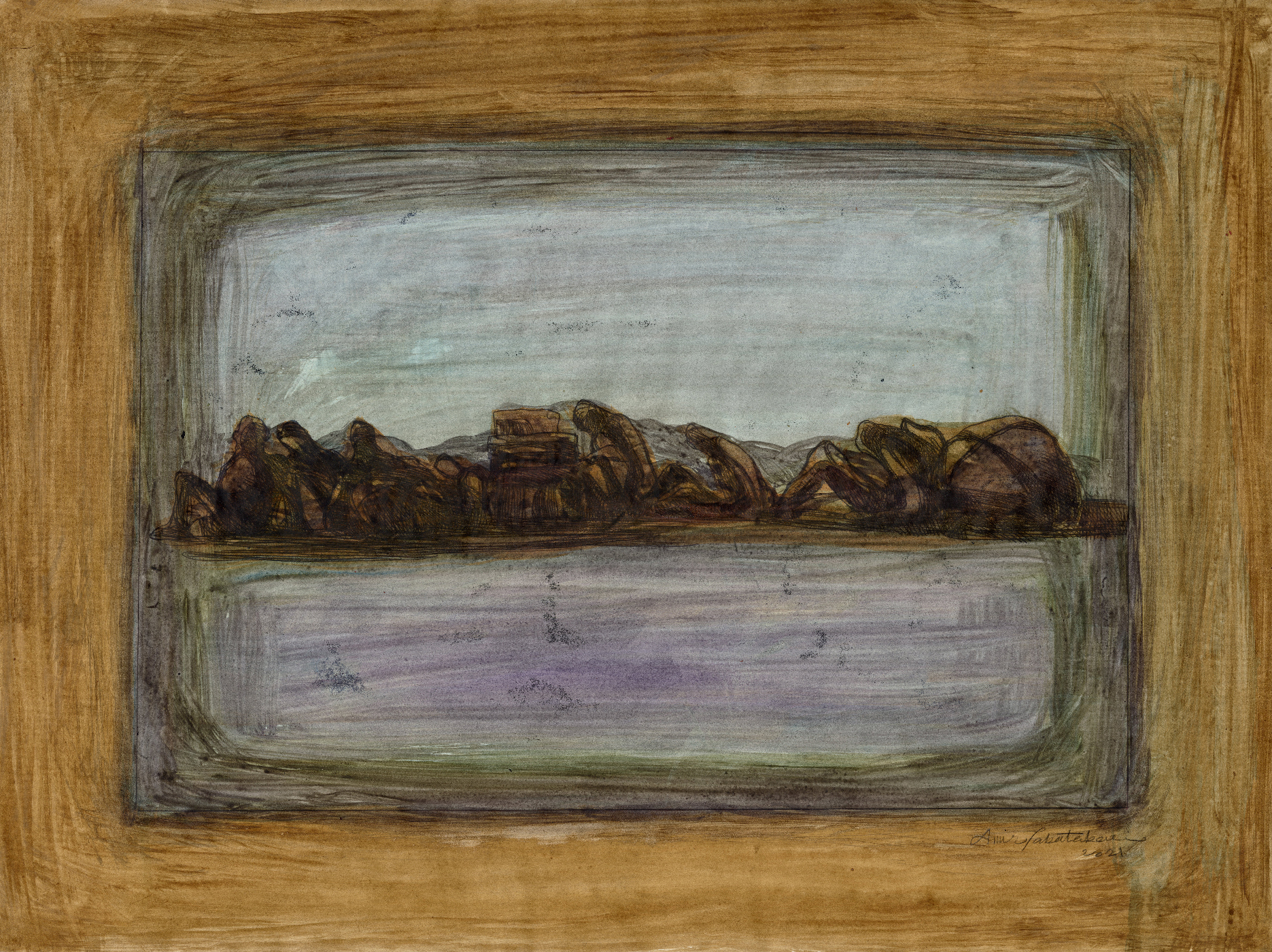
Utopia—the ideal place, or perhaps a non-place—has always been inseparable from the possibility of its opposite: Dystopia. Just as good intentions can have unforeseen consequences, devotion to one ideal may lead to the rejection of another, and heroes can become villains.
For me, exploring the unstable boundary between these opposing worlds opens a space for metamorphosis, where good and evil can transform into one another. This dialectical tension and contradiction became more tangible to me after immigrating to the United States. Migration, in particular, has confronted me with uncertainties and possibilities that bring the distance between utopian longing and lived reality into sharper focus.
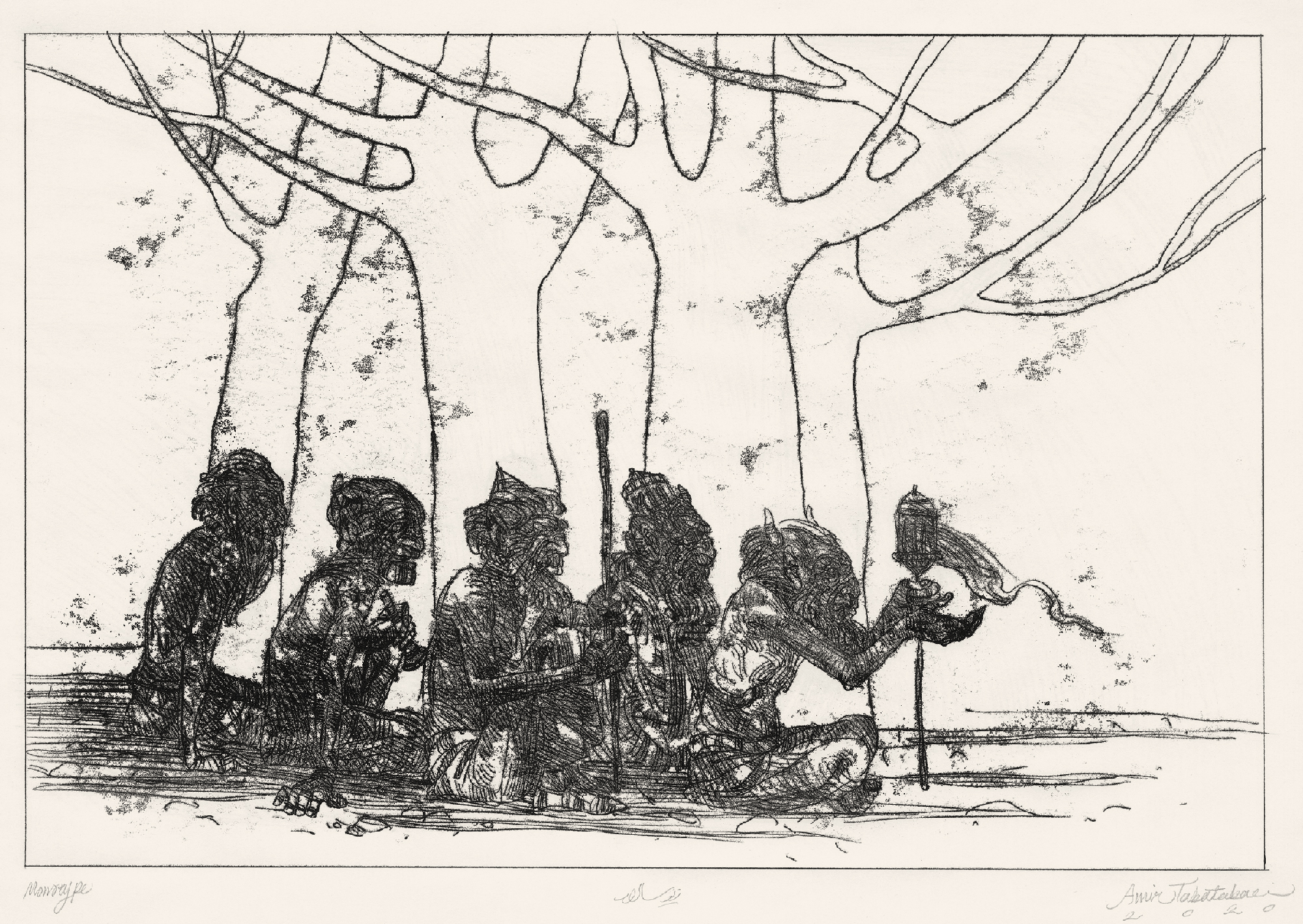
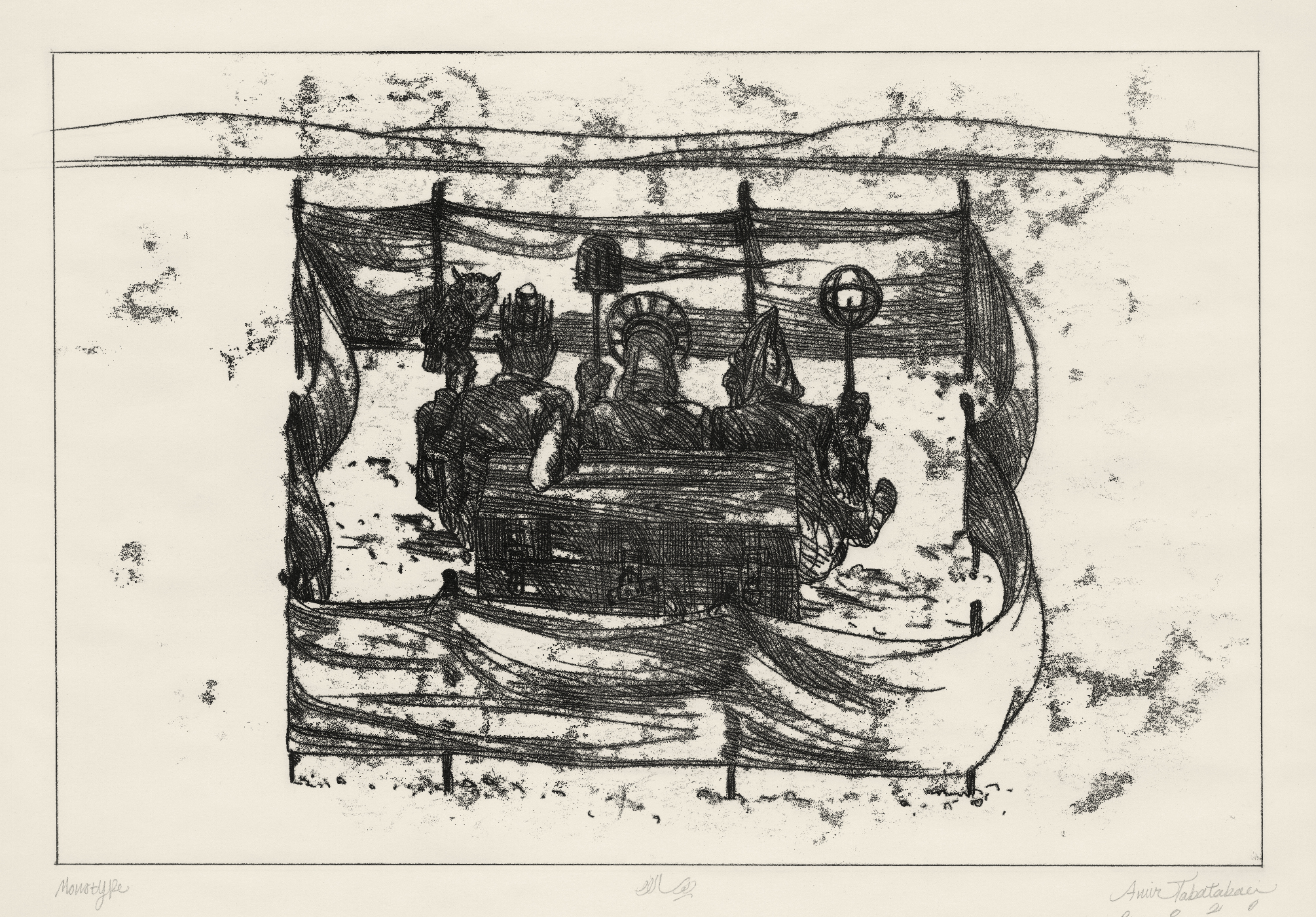
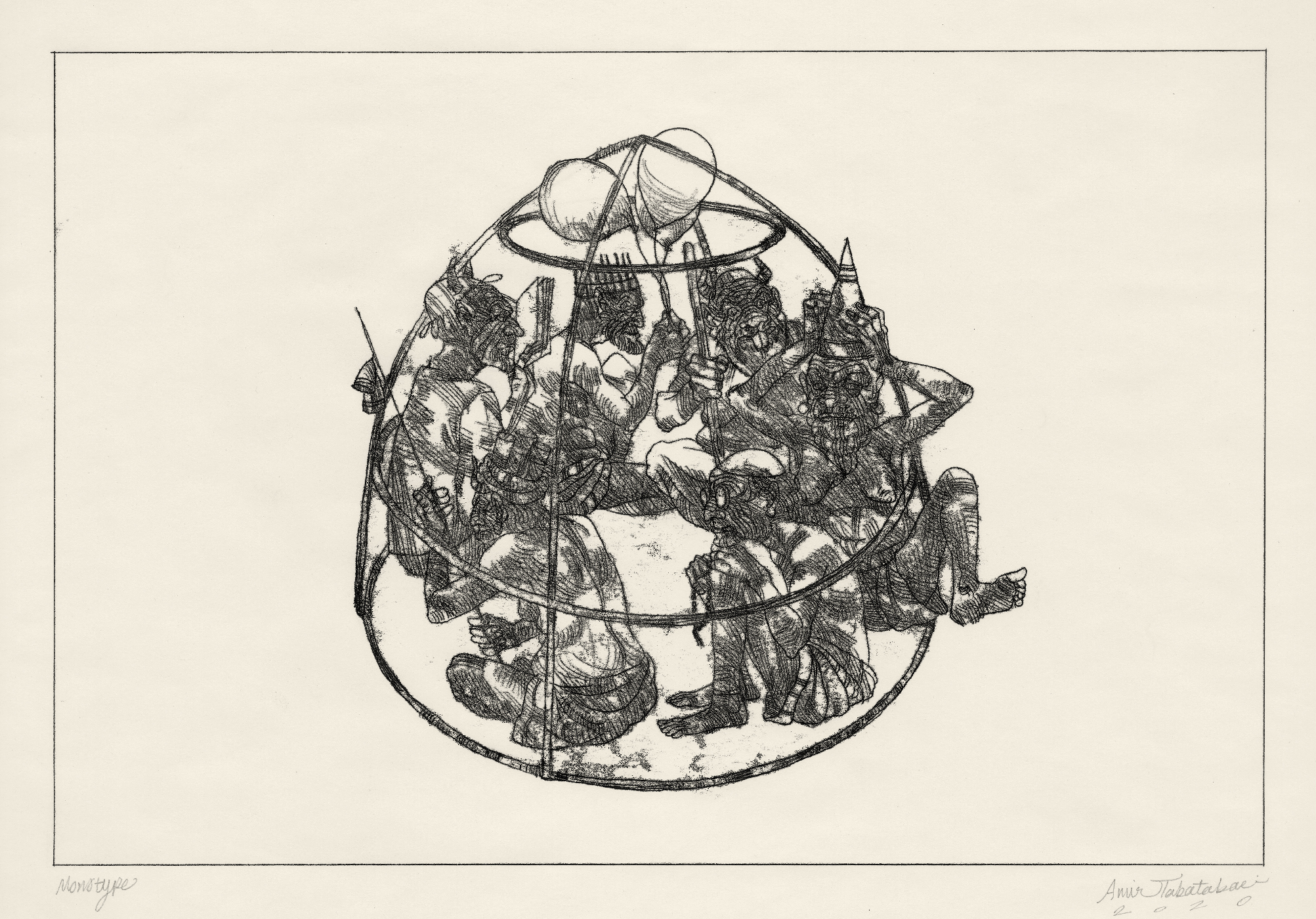
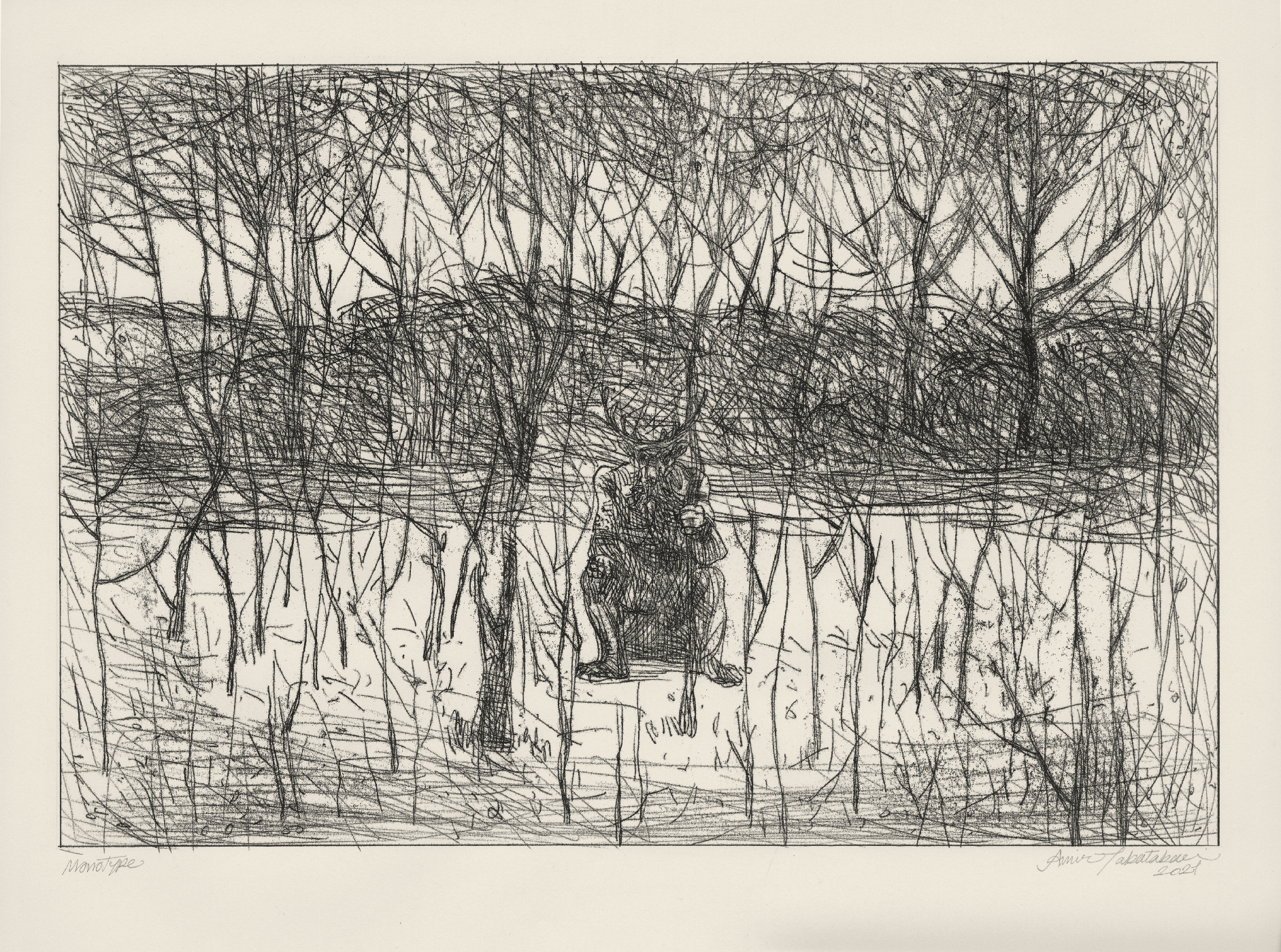
In these works, I explore this unstable relationship through ambiguity, imaginary landscapes, human figures, and mythical beings, drawing at times from Iranian artistic traditions. My visual interpretation of strange creatures such as Deevs is particularly influenced by the work of the ninth-century Persian painter Mohammad Siah Qalam.
Rooted in ancient Persian and Zoroastrian traditions, Deevs are associated with deception, disorder, and destructive forces. Departing from the established conventions of Persian miniature painting, Mohammad Siah Qalam created images that inhabit a space between imagination and satire while engaging in a distinctive way with the social realities of his time.
آرمانشهر – پاد آرمانشهر
آرمانشهر (یوتوپیا) یا نامکانِ آرمانی، همواره با معنایی جدایی ناپذیر از نقطهٔ مقابلش یعنی پاد آرمانشهر (دیستوپیا) همراه است .
همانگونه که نیات خیر پیامدهای پیش بینی نشده دارند وفاداری به آرمانها ممکن است به طرد شدگی بینجامد و قهرمانان به ضد قهرمان بدل شوند.
برای من بررسی مرز ناپایدار میان این دو جهان متضاد حالتی از دگردیسی را باز می نمایاند چنانچه خیر و شر میتوانند در یکدیگر دگرگون شوند.
این تنش و تناقض دیالکتیک پس از مهاجرت به ایالات متحده برایم ملموس تر شده است به طوریکه میتوانم بگویم مهاجرت نوع ویژه ای از مواجهه با عدم قطعیتها و امکانات زندگی را به نمایش می گذارد که فاصلهٔ میان اشتیاق به جهان آرمانی و واقعیت زیسته را برای من نزدیک تر می کند.
در این آثار من این رابطهٔ ناپایدار را از طریق ابهام، مناظر خیالی و فیگورهای انسانی (دیو و موجودات خیالی) بررسی میکنم که در جاهایی متاثر از هنرهای ایرانی است از جمله در برداشت بصری از موجودات عجیب همچون دیو به طور ویژه از آثار محمد سیاهقلم (نقاش قرن نهم) تأثیر پذیر بوده ام.
دیوها در سنتهای باستانی ایران و آیین زرتشتی ریشه دارند که با فریب، بینظمی و نیروهای ویرانگر پیوند خوردهاند.
محمد سیاه قلم با فاصله گرفتن از قراردادهای رایج نگارگری ایرانی در فضایی میان وهم و طنز تصاویرش را ساخته است که در زمان خودش نوع ویژه ای از پردازش به واقعیت را بر می گزیند.